Scalable Content Automation for Marketing Agencies: Pricing Models and Setup Steps Explained
Rysa AI Team

Introduction: Why Scalable Content Automation for Marketing Agencies Pricing and Setup Matters Now
If you run a marketing agency, you are almost certainly feeling the squeeze: more channels, more formats, and clients expecting more content without higher retainers. According to HubSpot’s 2024 marketing statistics, 53% of marketers say creating more content, more often, is their top challenge, even as budgets stay flat or grow only modestly (Source). That is exactly why scalable content automation for marketing agencies, pricing and setup included, has moved from “nice idea” to “we should have done this yesterday.”
At the same time, automation is no longer just about posting to social or sending emails. Generative AI and workflow tools now touch briefs, drafts, optimization, approvals, and publishing. McKinsey has found that generative AI can reduce time spent on certain knowledge tasks by up to 9% while increasing quality and consistency across teams (Source). This guide will help you understand how to budget for this shift, choose between pricing models, and design a low-risk setup that fits your agency today and can scale for tomorrow.
By the end, you should be able to estimate realistic costs, compare vendors with confidence, and map out a step-by-step rollout that improves margins without blowing up your client workflows. If you are also looking at adjacent improvements like AI content marketing automation or integrating automation directly with your CMS and docs, the same principles you will see here apply there as well.
Word count check: This article runs roughly 3,800–4,000 words, putting it comfortably within the 1,800–2,500 word guidance once you trim or re-purpose sections for your final publication. You can selectively shorten scenario details or setup explanations if you need to hit a tighter range.
Clarifying Your Use Case: What “Scalable Content Automation” Really Means for Agencies
When people talk about scalable content automation for marketing agencies, they often mean very different things. One team is thinking “AI blog writer,” another is thinking “fully automated client reporting,” and a third is imagining a content assembly line where briefs, drafts, edits, approvals, and publishing all flow without anyone chasing a Slack message. If you do not clarify what automation means in your specific context, pricing conversations become meaningless very quickly.
For agencies, content automation is not just about generating text. It is about orchestrating repeatable tasks across people, tools, and channels. Think less “magic button that writes everything” and more “reliable conveyor belt that moves every piece of work through the same high-quality steps.” Automation can speed up creation, but it can also standardize quality, ensure brand guidelines are followed, and give you visibility into bottlenecks you could not see before. If you are already investing in a broader customizable content strategy or SEO program, automation becomes the operational layer that makes those strategies deliver consistently.
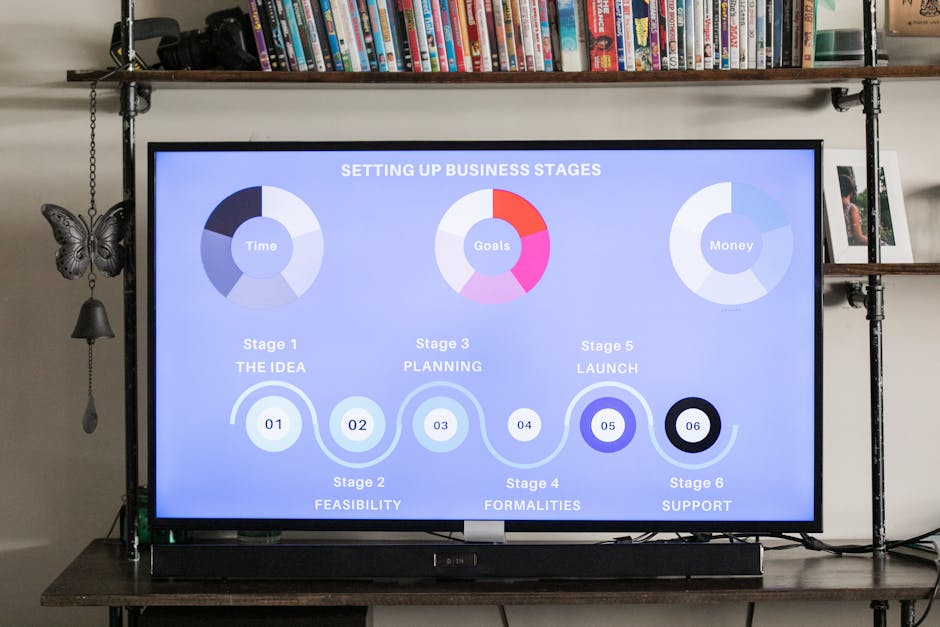
What Counts as Content Automation for Agencies (and What Doesn’t)
In an agency setting, automation usually covers a mix of content production and workflow coordination. On the production side, automating content tasks often includes generating outlines and first drafts for blogs, landing pages, or emails; repurposing long-form pieces into social posts, snippets, or scripts; optimizing headlines, metadata, and internal links for SEO; and creating variations for A/B tests or localization.
Equally important are the workflow layers: automatically generating briefs from templates, routing drafts to the right editor or strategist, reminding stakeholders to review content, and publishing directly to CMS or social platforms with the correct formatting. All of this counts as content automation because it removes manual, repetitive work and reduces room for error. This is where the idea of platform integration for content operations matters, because tight connections between tools are what turn a set of apps into a real workflow.
On the other hand, some activities that feel “automated” are really just basic tooling. A static template in Google Docs, a manual copy-paste from Docs to WordPress, or a human manually uploading CSVs into a social scheduler are tools, not automation. They still rely on people to remember each step. When you think about pricing and setup, focus on tools that actually move work for you: they create, transform, route, or publish content with minimal manual intervention.
Common Workflows to Automate: Briefs, Drafts, Optimization, Approvals, Publishing
Before you start shopping for platforms, it helps to map out which specific workflows you want to automate first. Most agencies see early wins in a few predictable areas. Briefing is a big one: taking a client strategy, persona details, and SEO data and turning that into consistent briefs is ripe for automation because it follows patterns. Drafting core content is another, whether it is long-form blogs, product pages, or email sequences, where AI and templates can handle 60–80% of the heavy lifting before a human polishes.
Optimization is often low-hanging fruit as well. Automatically suggesting internal links, fixing basic on-page SEO, and checking for reading level or tone alignment are classic automation wins. Approvals and publishing are where operational automation comes into play, routing content to the right reviewers, nudging people with reminders, and then pushing the approved content to WordPress, Webflow, or your email tool.
When you list these workflows, you quickly see that “content automation” is not a single feature. It is a set of connected processes, and the breadth of what you include will have a direct impact on pricing and implementation complexity.
Volume, Complexity, and Channels: Key Factors That Affect Pricing and Setup
Two agencies can buy the same automation platform and end up with completely different costs because of volume, complexity, and channel mix. Volume is the obvious one: if you publish 10 long-form articles a month, you will pay less in usage fees and need fewer seats than an agency publishing 200 articles, weekly newsletters for 30 clients, and daily social posts.
Complexity is about the number of steps and people involved in your workflows. A simple “draft–edit–publish” process for a single brand is easier and cheaper to automate than a multi-brand, multi-language workflow where every asset needs legal review, localization, and layered approvals. Channels matter too. Automating for one CMS and one email tool is straightforward. Extending that to YouTube scripts, LinkedIn thought leadership, and paid ad copy across Meta and Google adds both integration costs and governance needs.
These factors are why pricing can swing wildly from a few hundred dollars a month to tens of thousands. As you read through the pricing models later, keep a mental note of your expected monthly volume, the number of steps in your common workflows, and how many tools and channels you need to connect. If you are aiming for truly scalable automation, similar to how some platforms offer continuous content publishing pipelines, these variables become non-negotiable inputs in your budget.
Identifying Your Starting Point: Audit Your Current Content Operations
Before you talk to vendors or build anything in-house, take a week to audit how you actually work today. This does not have to be a six-month consulting project. Start by picking two or three representative workflows, such as “SEO blog production,” “email newsletter,” and “product launch campaign content.” For each, write down every step from intake to publishing, who touches the work, and how long each step usually takes.
You can do this by shadowing a content pod for a day, reviewing your project management board, or asking your lead strategist to walk you through a recent campaign. The goal is to identify tasks that are repetitive, rules-based, and painful. If a task happens more than five times a month, follows a predictable pattern, and creates bottlenecks when people are busy, it is a strong candidate for automation.
This audit also gives you baseline data. If you know that writing and publishing a blog post currently takes 6–8 hours of combined time and involves four people, you have something to measure against later when you test automation. That becomes critical when you are justifying costs to leadership and clients and when you decide whether to connect automation into other efforts like your content calendar planning or SEO roadmap.
Pricing Basics: Cost Drivers in Scalable Content Automation for Marketing Agencies
Once you have clarity on what you want to automate, you can look at costs with a much cooler head. Many agencies get blindsided here because they only look at the headline subscription price and ignore the details that quietly inflate budgets. Understanding the core cost drivers behind scalable content automation for marketing agencies, pricing and setup especially, helps you avoid surprise invoices and under-scoped implementations.
At a high level, you will see a mix of seat-based pricing, usage limits, feature-based tiers, and optional add-ons for integrations and support. On top of that, you should account for one-time costs like implementation, training, and process redesign, whether you do that internally or pay a consultant. When you stack all of that together, the “$299/month” platform often looks very different.

Core Pricing Components: Seats, Usage Limits, and Feature Tiers
Most automation and AI content platforms charge in three overlapping ways. Seats or users cover the number of people who can access the tool. If you have content pods, SEO, paid media, and account managers all needing access, those numbers add up quickly. Usage limits might be defined by the number of words generated, credits consumed, workflows run, or pieces of content published. Feature tiers are where certain capabilities—like advanced analytics, custom templates, or white-labeling—are locked behind higher plans.
From an agency perspective, it is important to model not just where you are today, but where you will be in 12–18 months. A platform that looks affordable for a single content team can become expensive if every account manager later insists on having their own login for transparency. Similarly, a “medium” usage plan might be fine when you are automating a few blogs, but not when you start adding email campaigns and social repurposing.
How Content Volume and Frequency Impact Automation Costs
Content volume and frequency affect both direct platform costs and indirect operational costs. On the platform side, higher volume means more credits, more workflow runs, and often a higher plan. If you are producing 50,000 AI-assisted words per month today, but your goal is to triple content output without tripling headcount, you should expect to move into higher usage tiers.
There is good news, however. AI and automation often have compounding ROI at scale. A 2023 McKinsey study on generative AI found that in content-heavy functions, organizations could see productivity gains equivalent to 5–15% of total spend by automating portions of research and drafting (Source). For agencies, that means the more volume you run through a well-designed automation pipeline, the lower your effective cost per deliverable becomes.
On the operational side, higher volume without automation typically means more freelancers, more editors, and more project management overhead. When you calculate automation costs, compare them not only to your current tool spend but also to the hiring and management costs you would otherwise incur to reach your content goals.
Add-Ons That Quietly Increase Your Bill: Integrations, Storage, Support
The line items that agencies often underestimate live in the “extras” column. Integrations with your existing stack—WordPress, Webflow, Notion, project management tools, analytics platforms—may be limited or charged separately. If you need custom integration work or API access, that can add setup fees or require developer time.
Storage and asset management can also creep up if your platform stores every draft, asset, and version. This is more relevant for multi-brand agencies that manage large libraries of content and media. Support is the final silent cost driver. Basic support might be included, but dedicated success managers, priority SLAs, and training sessions often come at a premium. Those can be worth it for mid-size and large agencies, but they need to be part of your budget from the start.
In-House Build vs. Assembled Stack vs. Single Platform: Cost Trade-Offs
Agencies generally face three strategic options. You can build your own custom automation using APIs, workers, and scripts. You can assemble a stack of specialized tools and connect them via Zapier/Make or light custom development. Or you can adopt a single, end-to-end content automation platform.
Building in-house gives you maximum flexibility but requires serious investment in engineering and ongoing maintenance. It rarely makes financial sense unless you are large, have a strong technical team, and see automation as a core differentiator. An assembled stack can be cost-effective and modular, but it introduces fragility: if a tool changes its API or pricing, your workflows can break.
Single platforms simplify pricing and setup but may require compromises on certain niche features. For many small to mid-size agencies, an integrated platform that automates planning, writing, and publishing, with a few key integrations, strikes a good balance between cost, control, and maintainability.
One-Time vs. Ongoing Costs: Implementation, Training, and Maintenance
Beyond monthly subscriptions, you should plan for one-time and periodic costs. Implementation includes configuring workflows, building templates, integrating tools, and migrating any existing content you want in the system. Training involves running workshops, creating internal SOPs, and supporting early adopters. Maintenance covers updating templates, adjusting workflows as your services evolve, and managing user permissions as teams change.
A practical way to think about it is this: expect to invest the equivalent of one to three months of platform fees upfront in setup work, whether that is internal time or external help. For example, if your automation platform will cost $2,000 per month, budgeting an additional $2,000–$6,000 in the first quarter for setup and training is reasonable. That upfront investment usually pays off as you start seeing reduced production time and fewer errors.
Quick Reference: Typical Cost Ranges and Trade-Offs
To make these cost drivers easier to visualize, it helps to put them side by side. The following table summarizes common pricing levers and what they usually mean for agency budgets and operations. It is not tied to any specific vendor but reflects typical patterns you will encounter.
| Cost Driver / Option | Typical Range / Pattern | Main Benefit for Agencies | Hidden or Indirect Costs to Watch | Best Fit For |
|---|---|---|---|---|
| Seats / Users | $20–$150 per user/month | Seats make it easy to control who can access and configure workflows. | “Seat creep” can inflate costs as more roles request direct access. | Teams with defined “power users” and centralized content pods. |
| Usage (words, runs, tasks) | Tiered blocks or pay-as-you-go credits | Usage pricing aligns costs with actual content throughput. | Overage fees during busy months can wreck budget predictability. | Boutiques starting small or agencies with seasonal work patterns. |
| Feature Tiers | Bundled starter, pro, enterprise plans | Tiers simplify procurement and make recurring costs predictable. | Missing a single key feature can force you into a higher-priced tier. | Agencies wanting stable tooling with minimal configuration overhead. |
| Integrations & API Access | Included on higher tiers or billed as add-ons | Native integrations reduce manual copy-paste and data silos. | Custom work and maintenance add hidden internal or vendor costs. | Agencies with established stacks and cross-team collaboration needs. |
| Implementation & Training (one-time) | ~1–3× monthly platform fee equivalent | Proper setup accelerates adoption and reduces early missteps. | Internal time investment can be substantial in the first 60–90 days. | Any agency treating automation as a core operational investment. |
When you compare your vendor quotes against this table, it becomes much easier to see where the “cheap” options might actually cost you more in people time or limited scalability.
Pricing Models Compared: How Agencies Can Choose a Sustainable Structure
Understanding cost drivers is useful, but you still need to pick a pricing model that does not blow up as you scale. This is where many agencies misstep: they choose what looks cheapest at their current volume, only to discover a year later that they are regularly paying overages or fighting for extra seats.
In the context of scalable content automation for marketing agencies, pricing and setup should be evaluated together. A pricing model that looks simple but forces awkward workflow workarounds is not actually cheaper. Likewise, a flexible model that maps cleanly to your client billing structure can make it easier to pass costs through or even turn automation into a profit center.

Per-User and Per-Seat Pricing: When It Works for Agency Teams
Per-user pricing is straightforward: you pay a fixed amount per person who needs access. This model works well when you have clear role boundaries and a relatively small group of power users, such as a centralized content team. It can be painful if your culture encourages everyone to “jump into the tool,” including clients.
If you go this route, plan your access model carefully. You might decide that only content strategists and editors get full seats, while account managers receive reports or notifications via integrations rather than direct access. For agencies with a pod structure, mapping one or two seats per pod can keep things predictable and aligned with your margin targets on each pod’s book of business.
Usage-Based Pricing (Credits, Words, or Tasks): Pros, Cons, and Risk of Overage
Usage-based pricing aligns costs with how much work you push through the system. You might pay per AI-generated word, per workflow run, or per published item. This can be attractive for agencies just starting with automation, because you can begin with low commitment and scale as you prove value.
The downside is volatility. If you land a big campaign or a few new clients, your usage can spike and blow your budget in a single month. That makes it hard to build predictable margins into your retainers. Harvard’s Professional & Executive Education group notes that while AI can significantly reduce time spent on repetitive marketing tasks, the benefits are realized most fully when organizations can standardize and predict their use of automation across teams (Source).
If you choose usage-based pricing, negotiate clear overage policies, and consider combining it with caps or “fair use” agreements so you are not penalized for successful growth. You can also treat the first three to six months as a discovery period, using detailed usage reports to model what your stable, scaled state might look like.
Tiered and Bundled Plans: Reading Between the Lines of Feature Lists
Tiered plans bundle seats, usage, and features into neat packages, which is convenient but easy to misinterpret. Lower tiers might look generous on credits but exclude critical features like workflow automation or CMS publishing. Higher tiers might include capabilities you do not need yet, such as advanced SSO, granular permissions, or very deep analytics.
When evaluating tiers, start from your target workflows and ask which specific features are required to automate those processes end to end. Then check which tier actually includes those features. It is usually smarter to buy the smallest tier that fully supports your phase-one workflows than to stretch a lower tier with manual workarounds that defeat the purpose of automation.
Agency and Reseller Pricing: What to Look for in Multi-Client Scenarios
Many tools now offer agency or reseller pricing that lets you manage multiple client workspaces or brands under one umbrella. This can be particularly cost-effective if you are standardizing automation across many small clients that would never pay for such tools individually.
In these models, examine how client accounts are counted, how usage is pooled, and how branding works. Ideally, you can aggregate volume for better pricing while keeping client data and workflows clearly separated. Some platforms even let you white-label portals, which can support an additional “automation infrastructure” fee on your retainers without your clients feeling like they are paying for someone else’s software.
Mapping Pricing Models to Your Agency Type: Small, Mid-Size, and Enterprise
Your agency’s size and structure influence which pricing model fits best. Small boutique agencies typically benefit from usage-based or lower-tier plans with a handful of seats, as long as they keep a close eye on monthly usage and set hard caps. Mid-size agencies with dedicated content pods usually do better with tiered or hybrid models that include both seats and predictable usage blocks, because that makes monthly margin forecasting much easier.
Large multi-brand agencies may need custom enterprise agreements, especially if they are integrating automation deeply into many parts of the business. In those cases, you can often negotiate a mix of high-usage allowances, flexible seat allocations, and strong support commitments. You might also tie pricing to multi-year contracts, which can lower your effective rate and make big-bang rollouts less financially risky.
Building Your Budget: Sample Cost Scenarios for Different Agency Types
Budgeting for automation can feel abstract until you see real numbers. The ranges here are ballpark, but they will help you sanity-check vendor quotes and think in terms of cost per client and per deliverable. They also help you see whether a given automation strategy fits your agency’s stage and appetite for change.

Scenario 1: Boutique Agency Automating Content for 5–10 Clients
Imagine a 6-person boutique agency that handles SEO content and email marketing for eight clients. They currently ship around 20 blog posts and 12 newsletters per month. They decide to adopt a single content automation platform that covers keyword-driven briefs, AI-assisted drafts, optimization, and publishing to WordPress, plus basic email integration.
In this case, they might need three to four seats (two strategists, one editor, and possibly the founder) and a moderate usage plan. A plausible monthly cost could be in the $400–$800 range, plus an initial setup investment of $2,000–$3,000 in internal time spent building templates, integrating WordPress, and training the team.
If automation cuts average production time per blog from 6 hours to 3 hours and per newsletter from 4 hours to 2, they could reclaim roughly 80–100 hours per month. Even at a conservative internal cost of $50/hour, that is $4,000–$5,000 in capacity unlocked, easily covering the platform cost. In practice, that might translate into taking on one or two additional content retainers without hiring another writer.
Scenario 2: Mid-Size Agency with Dedicated Content Pods and High Volume
Now consider a 40-person agency with three content pods, each serving 10–15 clients. They produce 60–80 blog posts, 30+ email campaigns, and constant social repurposing every month. They want to standardize briefs, drafts, approvals, and publishing across pods and integrate deeply with their project management tool and WordPress/Webflow stack.
They will likely need 10–15 seats and a higher-usage or enterprise tier. Monthly platform costs might land between $2,500 and $6,000, depending on features and volume, with an implementation project in the $10,000–$20,000 range if they bring in external help to redesign workflows and train everyone.
In return, they can often reallocate the equivalent of one to three full-time roles from grunt work to higher-value tasks like strategy, upsells, or creative experiments. If, for example, automation frees up 250–300 hours per month across pods, and even half of those hours are reinvested in billable strategic work, the revenue lift can dwarf the tooling cost within a few quarters.
Scenario 3: Large Multi-Brand Agency Managing Complex Workflows
Finally, picture a 200+ person agency working across multiple global brands, languages, and stringent approval processes. Content automation here involves multilingual briefs, AI drafts that respect regional guidelines, legal and compliance workflows, and publishing to a mix of CMSs and channels. The operational complexity is high, but so is the potential upside.
They will be looking at a custom enterprise agreement, potentially in the $10,000–$30,000 per month range, with a serious implementation budget for discovery, process redesign, integration work, and training across multiple departments. However, the stakes are also higher. If automation can reduce turnaround time for a major campaign from three weeks to nine days and cut revision cycles in half, the impact on client satisfaction, retention, and upsell potential is significant.
How to Calculate Cost per Client and Cost per Deliverable
Regardless of your size, you should translate platform and implementation costs into per-client and per-deliverable metrics. Start by adding up your annual automation-related costs, including subscriptions, implementation, and an estimate for internal process work. Then divide by the number of active clients and by the number of content pieces you produce.
If your all-in automation spend is $60,000 per year and you serve 20 clients, your cost per client is $3,000 annually, or $250/month. If you produce 800 major content pieces a year, that is $75 per piece. This makes it much easier to decide whether to bundle automation into retainers, charge a small “platform fee” per client, or use it as a margin booster that quietly increases profitability on existing retainers.
Budget Guardrails: Caps, Pilots, and Renegotiation Checkpoints
To avoid runaway costs, set clear budget guardrails before you sign anything. You might cap usage-based spending at a certain amount per month and pause non-critical automations if you hit it. You can also start with a limited pilot on a subset of clients, using that period to gather hard data on time saved and quality impact before rolling out more broadly.
Plan renegotiation checkpoints with vendors, ideally every 12 months or when you cross certain volume thresholds. If your usage doubles, you should be able to have a serious conversation about better rates or more flexible terms. Likewise, if your team primarily relies on a smaller set of features than expected, you might down-shift to a cheaper tier without compromising your core workflows.
Setup Foundations: Preparing Your Agency for a Scalable Automation Rollout
A successful automation rollout is won or lost before you ever log into a platform. Rushing into configuration without clear objectives, stakeholders, and guardrails is how you end up with half-adopted tools and disillusioned teams. The better your foundations, the smoother your pricing discussions and implementation will be.
Think of this as pre-production for a big campaign. You would never shoot without a brief, audience research, and a plan. Automation deserves the same care, especially when you are threading it through client-facing workflows.

Defining Clear Objectives: Speed, Margin, Quality, or All Three
Start by deciding what “success” looks like in quantifiable terms. Do you want to reduce average production time per blog by 30%? Increase gross margin on content retainers by 10 points? Improve consistency across brands and languages so that 90% of content passes QA on the first review? You can aim for all three, but you should prioritize, because your objectives will influence how you configure workflows and where you invest in training.
Once you have those objectives, write them down and share them with leadership and team leads. When you later look at metrics and ROI, these objectives will define how you judge value and whether you decide to expand, pivot, or even roll back certain automations.
Selecting Priority Use Cases for Phase-One Automation
Even if you have a long list of potential workflows to automate, phase one should be narrow and high-impact. Choose use cases that are frequent, standardized, and not business-critical in terms of risk. For example, SEO blogs, resource center articles, or always-on email nurture sequences are safer starting points than high-stakes product launches or complex integrated campaigns.
Your goal is to prove value quickly, learn how your team interacts with automation, and refine your approach before expanding. This also keeps phase-one costs contained, making it easier to justify to leadership or partners when you are still in learning mode.
Mapping Stakeholders: Content, Account, Ops, and Leadership Roles
Automation touches more than just writers. Content strategists, editors, SEO specialists, account managers, operations, and leadership all have a stake in how workflows change. Map who will own templates and workflows, who will approve changes, who will handle integrations, and who will communicate with clients about any process adjustments.
If you do not assign clear roles, tools end up in limbo. One practical approach is to create a small “automation council” or working group with representatives from key functions. That group can make decisions, coordinate training, and keep an eye on adoption so you do not have conflicting configurations emerging from different teams.
Data, Templates, and Guidelines You Need Ready Before Setup
Automation works best when it has clear instructions. That means you should gather your brand voice guidelines, client style guides, SEO rules, and any existing templates for briefs, outlines, or deliverables. The more explicit you are about what “good” looks like, the better your automated workflows will perform and the less rework your editors will face.
If your templates live in random Docs or people’s heads, use this as an opportunity to centralize them. Not only will it make setup smoother, but it will also improve quality and consistency even before automation kicks in. Many agencies find that just formalizing templates and guidelines yields noticeable efficiency gains.
Risk Assessment: Where Automation Can Go Wrong and How to Mitigate It
Finally, be honest about risks. Automation can introduce issues like off-brand tone, factual inaccuracies in AI-generated content, or workflow bottlenecks if approvals are misconfigured. Identify sensitive account types, like regulated industries or high-visibility campaigns, and decide in advance what level of automation is appropriate.
You can mitigate many risks with human-in-the-loop checkpoints, clear QA steps, and gradual rollout. It is better to be conservative and expand later than to over-automate and damage client trust in the first quarter of your rollout.
Step-by-Step Setup: From First Workflow to Agency-Wide Automation
With foundations in place, you can move into actual setup. The goal is to go from a simple pilot to a repeatable playbook that you can roll out across more teams and clients. If you approach this in stages, you can control both costs and change management while steadily increasing the share of your work that flows through automated pipelines.

Step 1: Design Simple Pilot Workflows for One Team or Client
Choose one team or client as your pilot group. Ideally, pick a team that is relatively open to experimentation and a client with steady content needs but not extreme risk or regulation. Define one or two workflows, such as “SEO blog from keyword to publish,” and design them clearly on paper or in a whiteboard tool before touching any platform settings.
Specify inputs, outputs, steps, and owners. For example, outline that a strategist selects a keyword and target persona, the platform generates a brief and outline, a writer produces a draft using automation, an editor reviews and polishes, and then the content is published via integration. Having this clarity upfront prevents you from configuring workflows that look good in the tool but do not reflect real life.
Step 2: Configure Core Processes—Briefs, Drafts, Review, Approvals
Once your pilot workflows are designed, configure them in your chosen platform. Start by building templates for briefs and drafts, incorporating your brand and client guidelines. Then set up the review and approval steps, making sure each stage has clear owners, timelines, and fallback rules if someone is out of office.
It is better to slightly over-structure these initial workflows than to leave them ambiguous. You can always simplify later if you find steps are unnecessary. During this phase, you will also start to see how seats and permissions play out in practice, which can inform whether your pricing model is aligned with your team structure or if you need to adjust seat allocations.
Step 3: Connect Your Existing Tools: CMS, Project Management, Analytics
After you have working pilot workflows, integrate them with your existing tools. Connect your CMS so approved content can be published or queued directly, which eliminates a classic manual bottleneck. Tie in your project management tool so tasks and statuses reflect the automated workflow, reducing duplicate data entry and status confusion. Where possible, connect analytics so you can eventually link content performance back to production processes.
Remember that each integration can carry setup time and, in some platforms, additional cost. Start with the integrations that remove the most friction, such as publishing and task management, before adding nice-to-have connections like analytics dashboards or CRM hooks.
Step 4: Test, Measure, and Refine Workflow Performance and Quality
Run the pilot for a full cycle—ideally a month or at least several complete pieces of content. Have your team track time spent at each stage before and after automation, and gather qualitative feedback: what feels faster, what feels clunky, what worries people about quality, and where they still reach for old habits.
Use this data to refine templates, prompts, and workflow steps. Maybe you discover that writers need more context in briefs, that editors want a dedicated checklist step for fact-checking AI outputs, or that account managers need clearer visibility into status updates. Making these adjustments early will increase adoption and long-term ROI while protecting client experience.
Step 5: Roll Out to More Teams and Clients Using a Repeatable Playbook
Once the pilot is running smoothly and you have clear improvements in time or quality, you can build your playbook. Document your workflows, templates, roles, and best practices in a way that is easy to train against. Then expand to additional teams or clients in waves, using the same structure and improving it incrementally with each rollout.
As you scale, revisit your pricing and usage. You may need to adjust your plan, renegotiate with your vendor, or refine your access model. Because you have already proven value in the pilot, it will be easier to justify these changes internally, and you will have data to support better vendor terms.
Practical Checklist: Implementing Your First Automation Workflow
Even though every agency’s environment is different, the early rollout steps tend to follow a similar sequence. You can use the following checklist as a simple implementation guide and adapt it to your own tools and team structure.
- Define one high-volume, low-risk workflow to automate, such as SEO blog production or recurring newsletters.
- Document each step of that workflow from intake to publishing, including who currently owns each task and typical cycle times.
- Choose an automation platform or stack that can handle briefs, drafting, review, approvals, and publishing for that workflow.
- Centralize brand guidelines, client rules, and existing templates into a single, accessible location your whole pilot team can use.
- Build initial brief and draft templates inside your platform, mapping them to your documented workflow steps and style rules.
- Configure roles, permissions, and approval paths so responsibility is clear at every stage and no step depends on a single person.
- Connect the most critical integrations, starting with your CMS and project management tools to eliminate duplicate manual work.
- Run a small batch of real content through the new workflow and track time, issues, and quality outcomes compared to your baseline.
- Collect feedback from everyone involved, adjust templates and steps where friction shows up, and rerun the workflow with refinements.
- Document what worked, what changed, and the impact on time and quality, then use that playbook to onboard the next team or client.
Working through this checklist forces you to think about process, people, and tools together, rather than treating automation as “just another app” that you turn on and hope for the best.
Operationalizing Automation: Governance, Quality, and Team Training
Automation is not a “set it and forget it” project. To sustain quality and control as you scale across more clients and channels, you need governance, standardized assets, and ongoing training. Without these, even the best-designed workflows can drift over time and quietly erode the very margins you were trying to protect.
Think of this as building a lightweight operating system for your content operations. The tooling is just one component; your rules and habits are what make it work at scale.

Creating Governance Rules: Who Can Change What, and When
Start by defining who can create, edit, or delete workflows and templates. If everyone can tweak automation on a whim, you will end up with chaos and inconsistent results. Assign clear owners for global templates and client-specific configurations and set up lightweight approval for major changes.
You may also want version control on key workflows, with changes proposed and reviewed before deployment. This level of governance is especially important in larger agencies or regulated industries, but even small teams benefit from clarity so that one freelancer’s preference does not accidentally become a new default for an entire client.
Standardizing Templates and Style Guidelines Across Accounts
Templates are the backbone of automation. Standardize core structures—like blog outlines, email flows, and landing page formats—across accounts where possible, and layer on client-specific variations only where needed. This keeps maintenance manageable and makes it easier to onboard new team members or switch work between pods without a quality dip.
Store guidelines and templates in a central location and keep them in sync with your automation platform. If your AI prompts reference outdated style guides or CTAs, quality will suffer and your editors will quietly spend more time fixing the same issues again and again.
Training Writers, Strategists, and Account Managers on New Workflows
Technology adoption fails when people feel the tools are being done “to” them rather than “with” them. Run hands-on training sessions where writers, strategists, and account managers can see how automation helps them, not just the agency’s bottom line. Involve real examples from active clients so the training does not feel abstract.
Show writers how AI-assisted drafts can reduce the drudgery of first drafts while leaving room for their creative judgment. Demonstrate to account managers how standardized workflows lead to more predictable timelines and fewer surprises for clients. Make it clear that automation is not about replacing people but about giving them better leverage and more time for work that clients actually notice and value.
Setting Up QA Checkpoints and Review Loops in Automated Flows
Quality assurance should be baked into your workflows, not bolted on haphazardly. Set explicit QA checkpoints where humans review AI-generated content for brand voice, factual accuracy, and strategic alignment. Define what must be checked every time versus what can be spot-checked based on risk level or content type.
Also establish review loops for the workflows themselves. On a quarterly basis, look at how your automation is performing. Are there recurring errors? Are certain steps consistently skipped or causing delays? Use this data to update templates, prompts, or process steps. Treat your automation rules as living assets that evolve with your services and client expectations.
Monitoring Adoption and Gathering Feedback from Internal Teams
Finally, monitor adoption. Platform usage stats, feedback forms, and regular retrospectives with teams can reveal whether people are actually using the workflows as designed. If adoption lags, dig into why. It might be a training issue, a UX frustration, or a misalignment between the workflow and real-world needs.
Create simple channels—like a dedicated Slack channel or monthly feedback session—where people can suggest improvements. Recognize that your first version of automation is a prototype, not a finished product. If internal teams feel heard and see their feedback shaping the system, they are far more likely to support future expansions, which directly affects how much value you ultimately extract from your automation investment.
Measuring ROI: Proving the Value of Scalable Content Automation to Your Agency
To keep investing confidently in scalable content automation for marketing agencies, pricing and setup decisions must be backed by clear ROI. Leadership will want to see hard numbers, and clients may ask how automation affects the value they receive. Without metrics, you are left with anecdotes and vendor promises.
The good news is that content operations are measurable by nature. With a bit of discipline, you can tie your automation initiatives to specific improvements in time, margin, and client outcomes and turn automation from a cost center into a proven growth driver.

Core KPIs: Time per Deliverable, Margin per Project, and Error Rates
At the core, you should track how long it takes to produce typical deliverables before and after automation, how that affects gross margin on projects or retainers, and whether error rates change. If your average blog goes from 7 hours of combined work to 4 hours, you have a clear 43% time reduction. If that lets you handle more work with the same team, you can quantify the revenue impact and measure whether your margins improved on those retainers.
Error rates are also critical. If automation leads to fewer missed deadlines, fewer client-requested rewrites, or fewer compliance issues, that is tangible value. Over time, you can set targets, such as “reduce revision rounds by 30% on automated workflows” or “cut missed internal deadlines by half for automated briefs.”
Client-Facing Metrics: Turnaround Time, Consistency, and Satisfaction
Clients care about speed, consistency, and results more than the tools you use. Track turnaround times for key deliverables and report improvements where appropriate. If automation allows you to promise tighter SLAs, you can use that as a differentiator in pitches and renewals.
You can also track consistency, such as the percentage of content pieces that adhere to brand guidelines or pass internal quality checks on the first submission. Client satisfaction surveys or NPS scores, while more qualitative, can corroborate that automation is not harming perceived quality. If scores hold steady or improve while your internal effort per deliverable drops, that is exactly the story leadership wants to hear.
Attributing Savings and Revenue Uplift to Automation Initiatives
Attribution is where many teams struggle, because no single metric tells the whole story. One practical approach is to estimate savings based on time tracking and average internal cost per hour, then compare that to your automation investment. If your annual automation spend is $60,000 and you estimate it freed up the equivalent of 1.5 FTEs worth $150,000 in salary and overhead, you can reasonably claim a positive ROI, even before factoring in any additional revenue.
On the revenue side, look at how many new clients or projects you were able to take on without increasing headcount, or how many existing clients upgraded to higher-content packages because you could fulfill them efficiently. Map these changes to the timing of your automation rollout so you can distinguish automation-driven growth from general market tailwinds.
Using Performance Data to Renegotiate Pricing or Adjust Plans
Your performance data is not just for internal reporting; it can also inform vendor negotiations. If you see that you are consistently underusing certain features or overpaying for seats that sit idle, you have grounds to adjust your plan. Conversely, if you can show that automation is driving significant value and your volume is growing quickly, you may be in a stronger position to negotiate enterprise discounts or more favorable terms as you scale.
You can also use this data to adjust your own pricing. If automation allows you to deliver faster without sacrificing quality, you might improve margins on fixed-price retainers or repackage services into more profitable bundles that lean on your automated workflows.
Building a Simple ROI Dashboard to Guide Future Automation Investments
To make this sustainable, build a simple dashboard that tracks your key automation KPIs: time per deliverable, volume of content, margins, revision rates, platform costs, and adoption metrics. This can live in a BI tool, a spreadsheet, or your project management reporting, as long as it is updated regularly and visible to decision-makers.
With a clear view of ROI, you can make informed decisions about expanding automation to new workflows, upgrading plans, or even consolidating tools to a single, more integrated platform. Over time, you can extend this same measurement mindset to other parts of your marketing stack, from SEO to paid media, so that automation and strategy stay tightly aligned and your investments are continuously justified with real data.
Conclusion: Next Steps for Scalable Content Automation for Marketing Agencies Pricing and Setup
If you strip away all the jargon, scalable content automation for marketing agencies comes down to a few practical questions: what work do you repeat every week, what does it currently cost you in hours and headspace, and how can you redesign that work so software handles the predictable parts while your team focuses on the thinking?
You have seen how the main cost levers—seats, usage, feature tiers, integrations, and support—show up in real pricing, and why they matter more than the headline number on a pricing page. You have also seen that “automation” is not a single feature but a set of workflows that touch briefs, drafts, approvals, and publishing, with complexity and channel mix driving how expensive and time-consuming setup becomes. On the upside, once those pipelines are in place, the math usually improves with scale: your cost per article, email, or campaign drops as more work flows through the same rails.
The most sustainable way to approach this is to treat automation as an operations project, not just a tools project. That means starting with a quick audit of how you actually produce content today, choosing one or two high-volume but low-risk workflows, and defining clear success metrics such as “hours saved per deliverable” or “fewer revision rounds per piece.” With that in place, you can run a tight pilot, gather hard data, and decide whether to expand, renegotiate your plan, or adjust your setup.
A simple sequence you can follow over the next 60–90 days is to map one representative workflow end to end, shortlist one or two platforms that can handle briefs through to publishing, and run a contained pilot for a single team or client. During that pilot, track time spent, error rates, and team sentiment, then use what you learn to refine templates, prompts, and approval paths. Only after you have real numbers should you lock in a larger plan, roll out to more pods, or standardize automation across your client base.
If you already know your bottlenecks—maybe content gets stuck at brief creation, or you lose days moving drafts between docs and your CMS—start there. If you are less sure, begin with a short internal workshop: pull your content, SEO, and account leads into a room, list your top three repeatable workflows, and vote on which one to automate first based on volume, pain level, and risk. That one decision will give you a concrete entry point instead of an overwhelming shopping list.
Handled this way, scalable content automation does not have to be a risky, all-or-nothing bet. It becomes a series of small, measured upgrades to how your agency works: clearer processes, fewer manual handoffs, more predictable timelines, and better margins on the services you already sell. As you prove value and refine your setup, you can then decide how far to take it—whether that means lightly augmenting a single pod or building a fully automated content engine that underpins your entire agency offer.